

E14
What code E14 means on a Hoover washing machines, what causes it, and which part to check first.
● SEVERITY: HIGH
Hoover E14 means: Pressure switch fault variant secondary water level sensor reading incorrect. The documented cause is: Failed pressure switch. Pressure hose fault. Board fault.
What E14 means
Pressure switch fault variant secondary water level sensor reading incorrect
The display shows E14 and the machine stops until the fault is cleared.
What the technical documentation says
Causes documented in the technical source published by whitegoodshelp.co.uk
| DOCUMENTED CAUSE OR CHECK |
|---|
| Failed pressure switch |
| Pressure hose fault |
| Board fault |
Replacement parts
Tools you'll need
Before you open anything
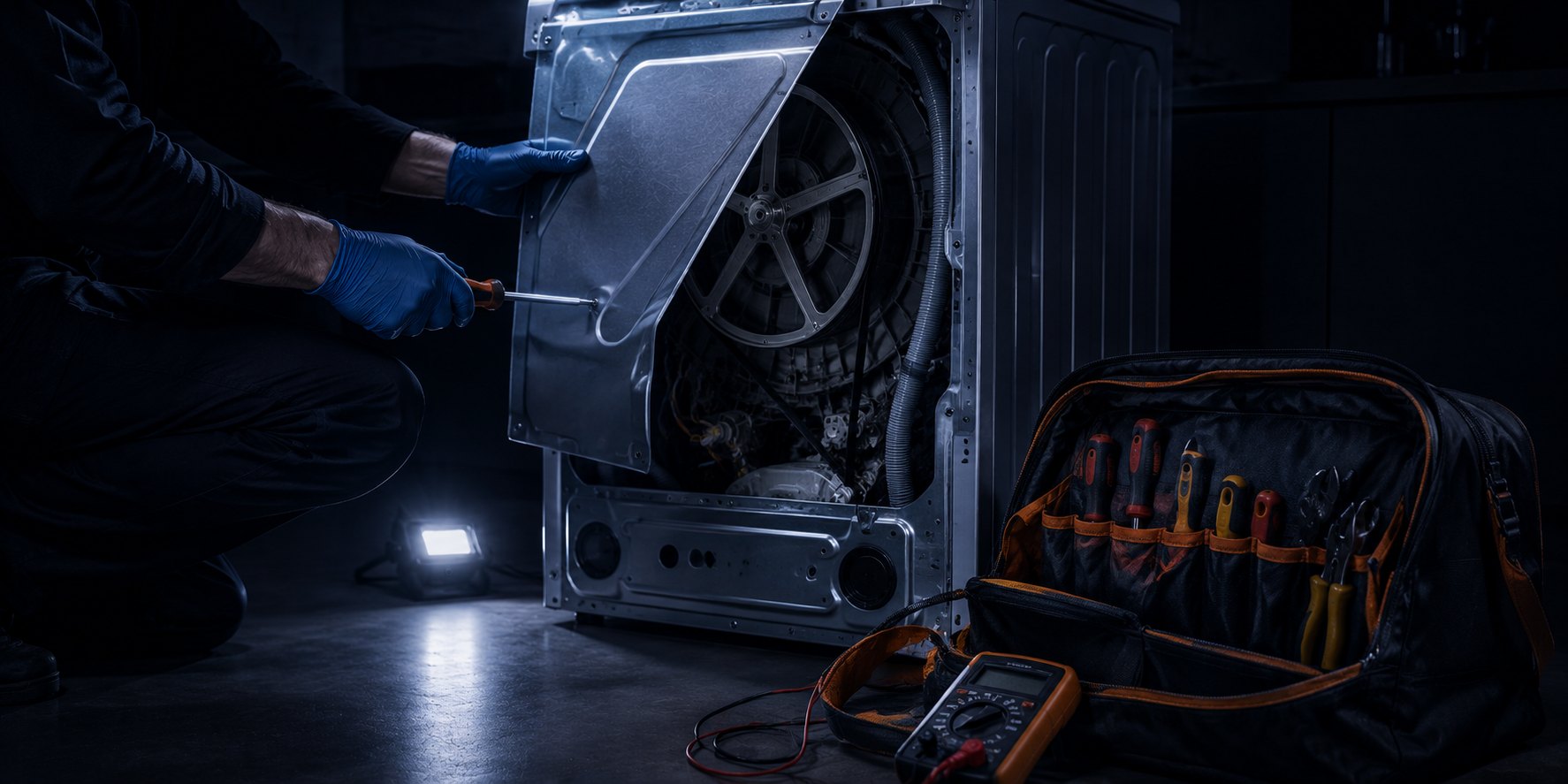
Unplug the machine and close the water tap before removing any panel. Water and mains electricity sit centimetres apart inside a washing machine. If the drum still holds water, drain it from the filter first — it can be scalding.
What to check, in order
From the quickest check to the one that needs a technician.
Find a specialist
TroubleAtlas Pro
TroubleAtlas Certified
What is the TroubleAtlas Score?
Beyond fault codes and specialists, we rate the reliability of appliance brands and models — a transparent score that owes nothing to the manufacturer. The reference to check before you buy or repair.
See all appliance scores →TA YouTube Channel
Frequently asked questions
What does E14 mean on a Hoover?
Pressure switch fault variant secondary water level sensor reading incorrect The documented cause is: Failed pressure switch. Pressure hose fault. Board fault.
Can I fix E14 myself?
It depends on the part involved: Failed pressure switch. Pressure hose fault. Board fault. Clearing a filter or straightening a hose is within reach of anyone; anything behind a panel means mains electricity and water together — that is a job for a technician.
Does Hoover use other codes on this appliance?
Yes: we document 22 other codes for Hoover on this washing machines. They are listed at the bottom of this page, each with its own meaning.
Does the same code mean the same thing on other brands?
Often not. The same two characters can point to completely different faults depending on the manufacturer — always check the page for your own brand.