

Low water pressure
The F1 error code on Keston boilers indicates low water pressure.
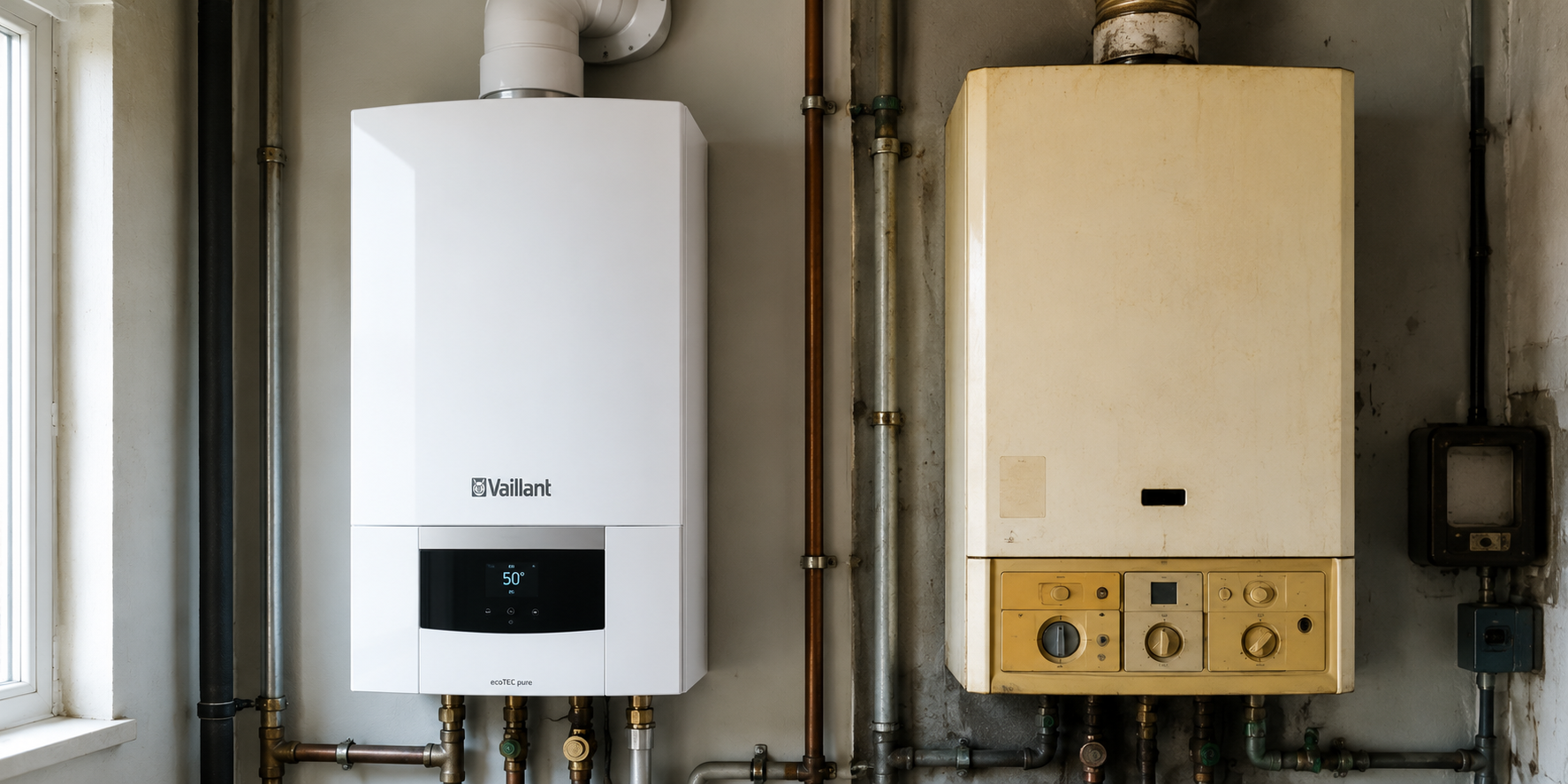
Keston F1 means: low water pressure. The usual causes are leak in the heating system (radiators, pipes, or valves), faulty pressure relief valve (prv) releasing water or failed expansion vessel or loss of pre-charge. A Gas Safe registered engineer should diagnose the root cause.
What Does F1 Mean
The F1 code is shown by the boiler’s control board when it detects low water pressure. The boiler then stops instead of continuing to run in that condition: the code is the appliance reporting a problem, not proof that the boiler is broken.
| What you see on the boiler |
|---|
| The display shows F1 and the boiler stops until the fault is cleared |
Common Causes
Causes documented in 2 technical sources.
| Cause |
|---|
| Leak in the heating system (radiators, pipes, or valves) |
| faulty pressure relief valve (PRV) releasing water |
| failed expansion vessel or loss of pre-charge |
| recently bled radiators without topping up |
| faulty pressure sensor giving incorrect reading |
| automatic air vent leaking |
Safety Warning
F1 is a gas-related fault. Never attempt to repair or adjust the gas valve, burner assembly, or flue system yourself. All gas work must be carried out by a Gas Safe registered engineer (UK) or licensed HVAC technician (US). Repeated resets after ignition failure can cause unburnt gas to accumulate inside the combustion chamber — this is a serious safety hazard. If you smell gas at any point, turn off the gas supply at the meter, open windows, leave the property, and call your gas emergency service immediately. Warning: this fault code may relate to gas supply, flue or combustion issues. Do not attempt repair — contact a Gas Safe registered engineer immediately.
Parts & Prices
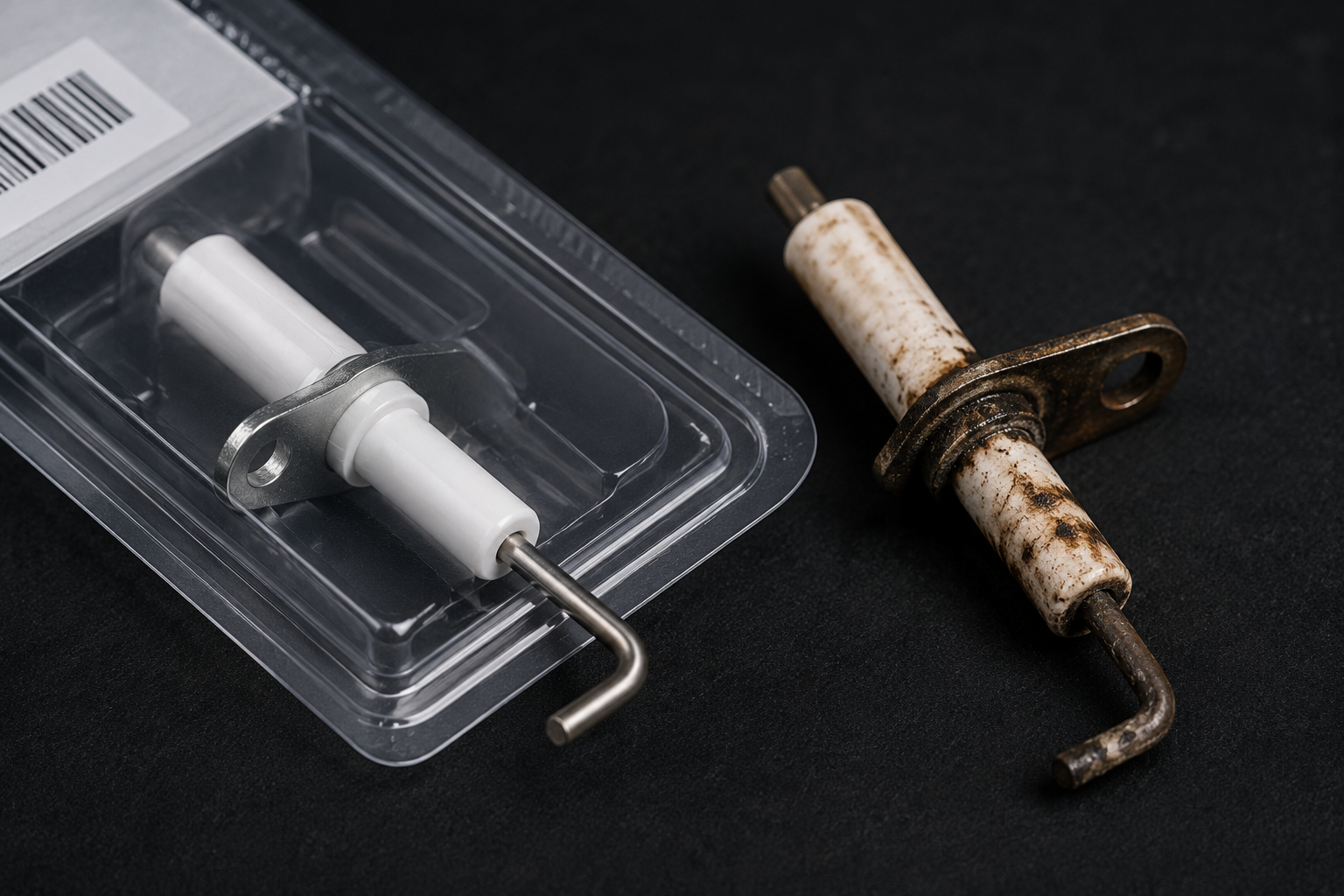
Prices shown are indicative. Actual prices and availability vary by region.
Step-by-Step Diagnosis
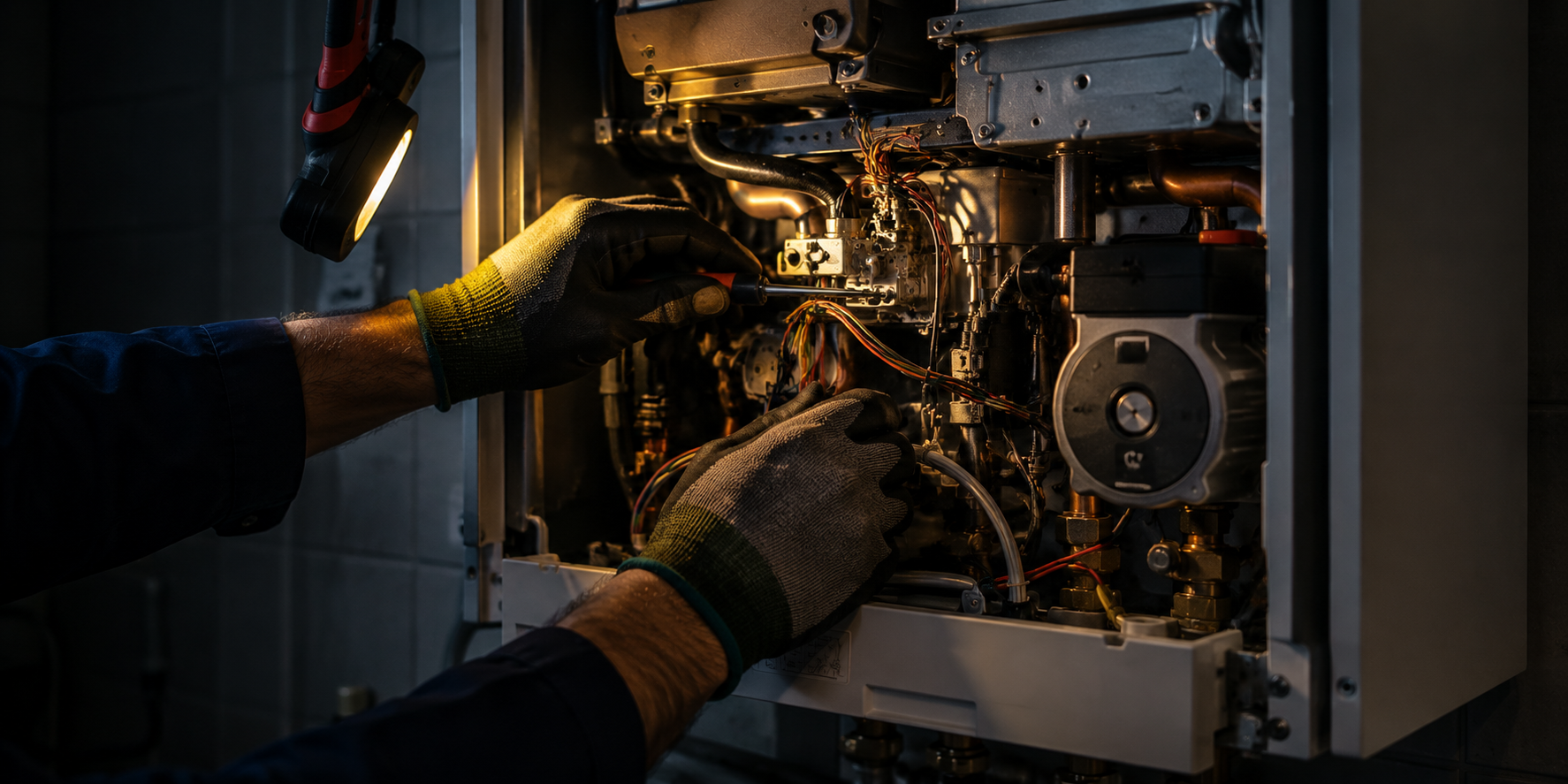
Check the boiler pressure gauge — normal operating pressure is 1.0-1.5 bar (15–22 psi) when cold
Inspect all visible pipework, radiators, and valves for signs of leakage
Check the pressure relief valve discharge pipe — if water is dripping, the PRV may be faulty or the expansion vessel has failed
Test the expansion vessel — with the system cold and drained, check the Schrader valve on the vessel
air should escape at the correct pre-charge pressure (typically 0.75-1.0 bar, 11–15 psi)
Inspect the pressure sensor connections
Check automatic air vents for signs of weeping
How to Fix It
Repressurise the system via the filling loop to 1.0-1.5 bar (15–22 psi)
repair any identified leaks
if the expansion vessel has lost its charge, re-pressurise it with a pump (or replace if the diaphragm has failed)
replace the pressure relief valve if it is passing water
replace the pressure sensor if it is giving incorrect readings. Note: frequent pressure loss indicates an underlying leak that must be found and repaired
Refer to the Keston service documentation for the detailed procedure. Only a qualified engineer should carry out these repairs.
Diagnostic Tools
TroubleAtlas Score
What Is the TroubleAtlas Score?
Every boiler model is independently evaluated and scored by TroubleAtlas across 6 dimensions: reliability, efficiency, parts availability, service network, value for money, and user satisfaction. The score helps you compare models and make informed decisions when choosing a new boiler.
See All Boiler Scores →Boiler Breakdown Cover
Boiler Breakdown Cover
Protect against unexpected repair costs. Cover plans include annual service, emergency callouts within 24 hours, and full parts replacement. Compare plans side by side and choose the level of protection that fits your home and budget.
Coverage Plans — Coming SoonConsidering a New Heating System
Considering a New Heating System?
If your boiler or heat pump is over 10 years old, replacing it with a modern condensing boiler or air-source heat pump could save you up to 30% on energy bills and significantly reduce your carbon footprint.
Compare Heating System Prices →
YouTube Channel
Watch the fixes. Follow the channel.
Step-by-step boiler repair guides, equipment reviews, and heating system comparisons from qualified engineers.
New fixes every weekFix in 5
Quick fixes for common boiler faults explained in under 5 minutes
Boiler Comparator
Side-by-side comparisons of popular boiler models
Boiler Reviews
Independent reviews with TroubleAtlas Score ratings
Find a Specialist
Don’t fix it alone. Find a trusted heating engineer near you.
TroubleAtlas connects you with vetted local heating professionals who can inspect, diagnose and repair your boiler safely — no guesswork, no unnecessary call-outs.

Local heating professionals are coming to your area
We’re onboarding Gas Safe registered and licensed HVAC engineers city by city. Check back soon, or search above to see current availability.
TroubleAtlas Pro
Get cited by AI. Get found by customers.
TroubleAtlas Pro puts your business in front of homeowners searching for exactly this fault, and structures your listing so AI assistants can cite you as a trusted source.
- ✓ Appear on error code pages viewed by thousands of homeowners
- ✓ AI assistants cite your listing as a verified local specialist
- ✓ Receive direct leads with customer name and contact details
- ✓ TroubleAtlas Certified badge for your marketing materials
Affected Models
Keston models that can display fault code F1:
| Model Family | Output Range | Frequency |
|---|---|---|
| All Keston models | — | Possible |
Frequently Asked Questions
Repressurise the system via the filling loop to 1.0-1.5 bar (15–22 psi). According to the technical documentation, this is the first check on the list for F1.
F1 is classified as a high-severity fault: it involves gas, combustion or flue components. Do not keep resetting the boiler and do not attempt the repair yourself — call a Gas Safe registered engineer.