

Solar inverters: the codes and what they stop
The inverter is the part that fails first and the one that talks: string, hybrid or micro, when it stops it writes a number. Here is what it means on your brand.
Buy the whole thing, or just the part
Two different needs, and we keep them apart on purpose: a complete system to buy and install yourself, or the single component that failed on a system you already have.
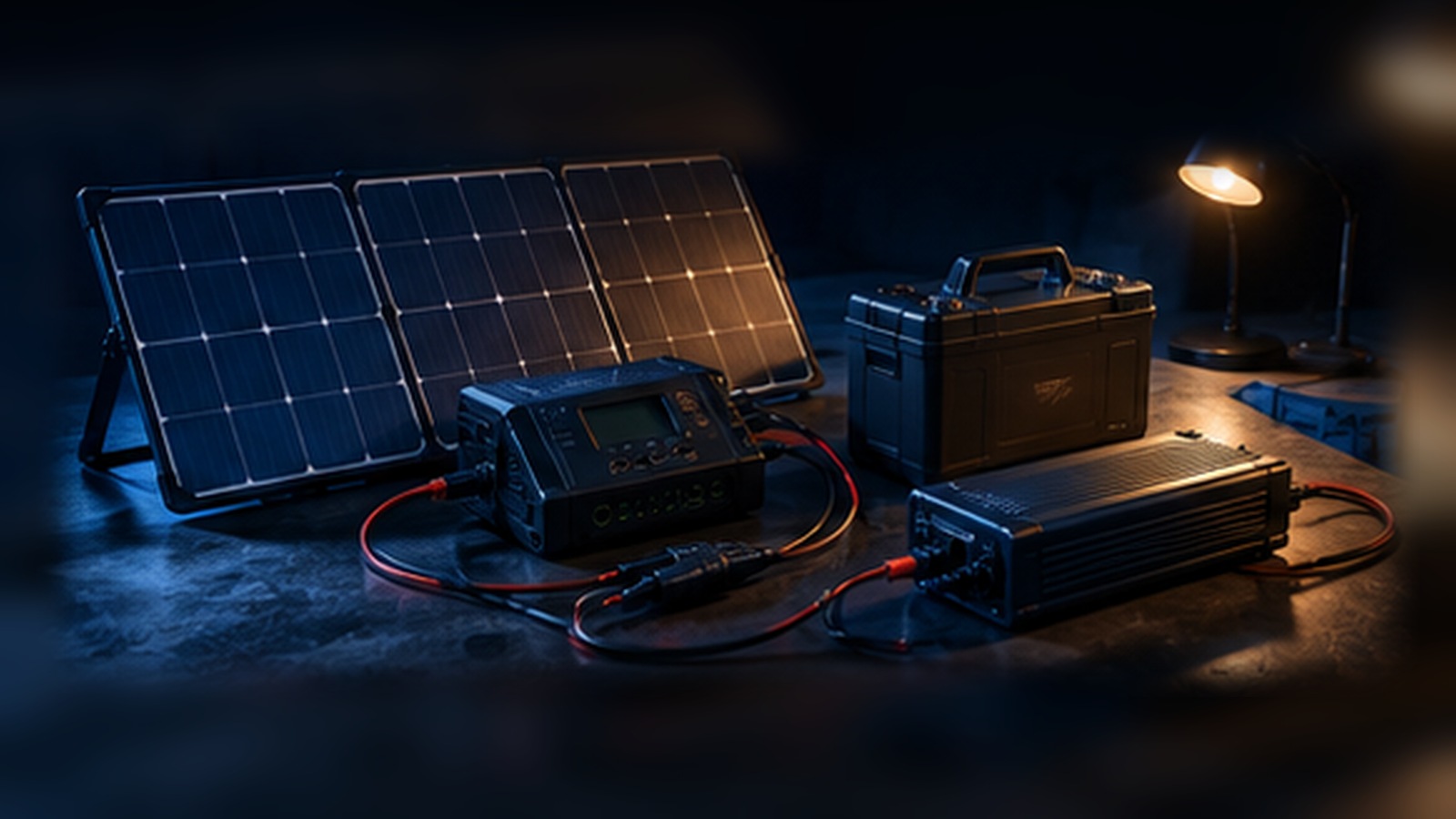
Complete systems and equipment
Bought as one piece, delivered ready to fit. This is where the off-grid reader buys: a kit, not a spare part.
Replacement components
For a system already on the roof: the component that failed, new or refurbished. Compare suppliers before buying.
What to have on the bench before you start
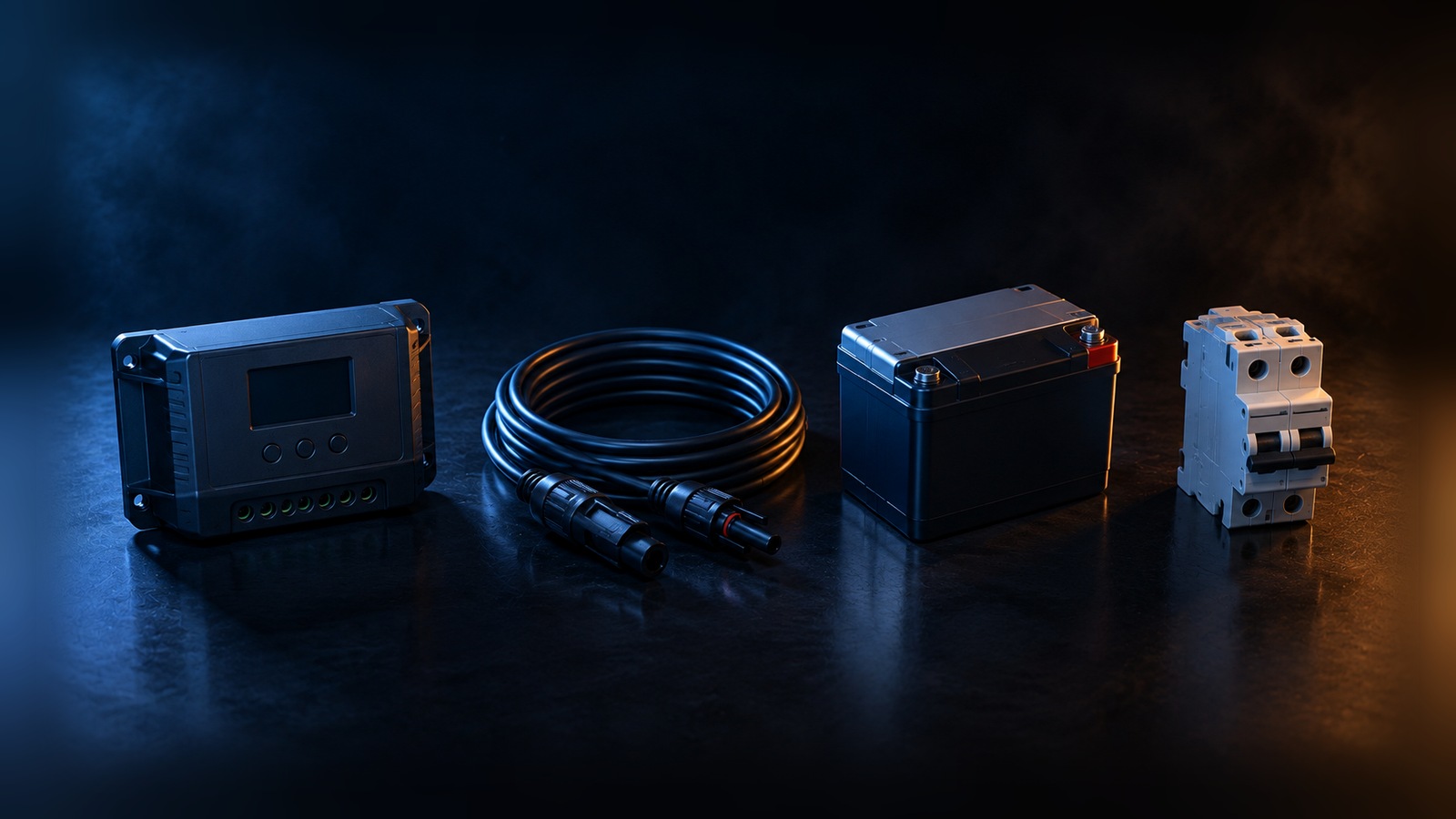
Working on a solar system means measuring direct current up to a thousand volts: a household multimeter is not enough, and the two marked as optional are what tells a guess from a diagnosis.

A rooftop system has a long life; the inverter does not. It is the device with the hardest-working electronics, and on average it is replaced once in the life of the system. Knowing whether the code points to a passing condition — grid voltage too high, one panel in shade — or a real failure changes the bill from tens to thousands.
Look up the number your system is showing
Every code below is read from the manufacturer's own documentation and cited. Pick yours, or open the full list by brand.
Before you open anything
A solar system stays live even with the inverter switched off: the panels produce whenever there is light, and the DC side can exceed 600 volts. The checks described here are done with the system isolated; those that require opening the inverter belong to a qualified person.
How this page is built
This page is rebuilt from the manufacturers' service manuals and official documentation. It is a snapshot, and it says which day it is from.
- Where the manufacturer publishes what the code means, we use that and mark it as official.
- Where the code only appears in a dealer's or service centre's documentation, we mark it as reported, not as certain.
- Nothing is invented, guessed by resemblance to another brand or copied from another site: the same number means different things on different brands.
Last checked: 2026-09-06 · Our method
The rest of the map
Each page here answers a different question. This is the full set, so you don't have to go back to a search engine to move from one to the next.
 The dossierSolar power: when the system stops and shows a numberThe inverter writes a code on the display or in the app, production drops to zero, and nobody explains what it means. Here the number gets a name, a cause and one thing to check first.
 The fault code databaseInverter fault codes, brand by brandPick the brand, then the number you see on the display or in the app. There is no single list: every manufacturer uses its own numbering, and confusing them is the fastest way to replace the wrong part.
OFF-GRID SYSTEMS AND KITSOff-grid systems: complete kits, and what you actually needCabin, camper van, shed, a house with no connection: there is no grid here, and the system is fitted by whoever uses it. You will find complete kits, what they really contain, and the codes of charge controllers and off-grid inverters.
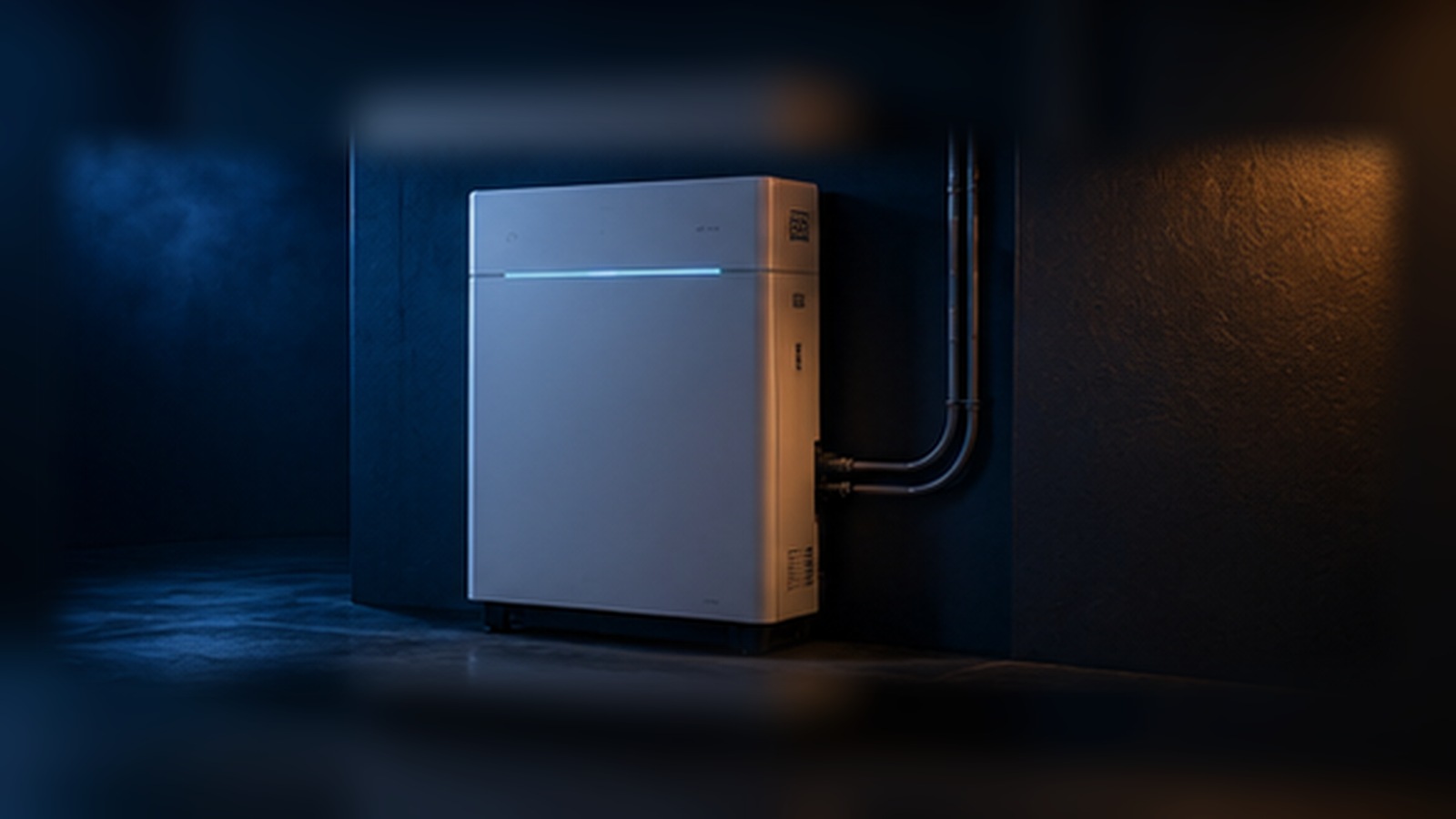 HOME STORAGEHome batteries: codes, capacity and when it paysThe battery is the most expensive part of the system and the one that is discussed worst. Here you will find home battery codes and the numbers that actually matter before buying one.
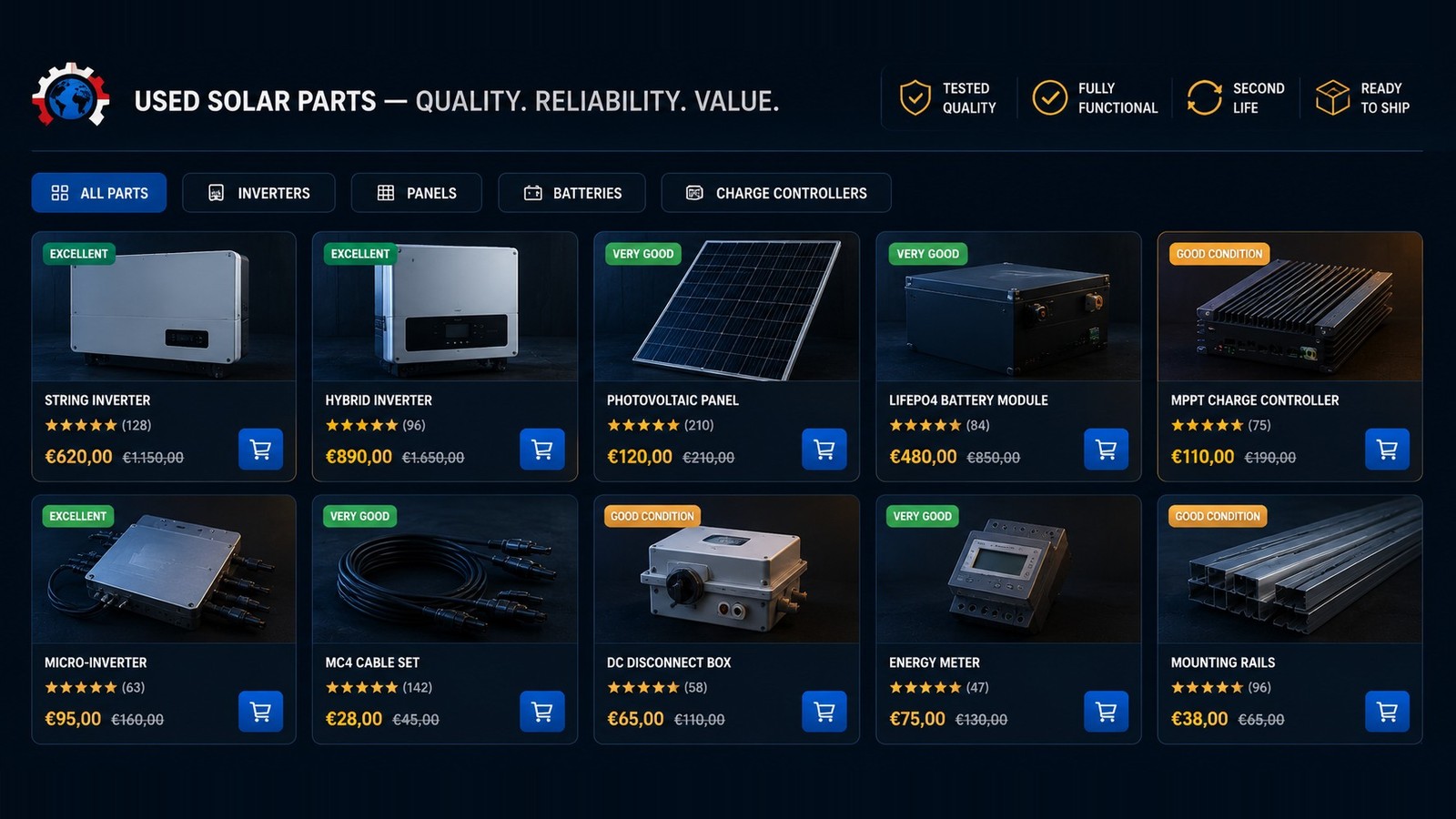 Used marketplaceUsed marketplaceSecond-hand panels, inverters and batteries, checked before being listed.Coming soon
TroubleAtlas technical desk · Last checked: 2026-09-06